Plots in Navarre - buy, sell or rent easily

Find plots by category in Navarre (Province)


Plots for sale with most wanted features
- Urban 20
- Developable 7
- Non developable 13


Latest publications of land and houses for sale in Navarre (Province)


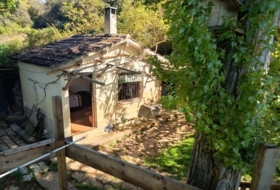
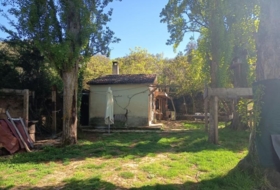
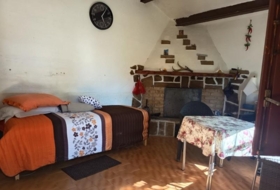
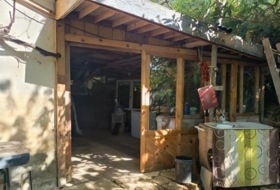
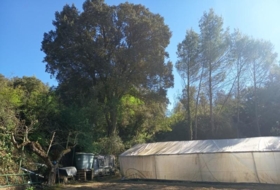
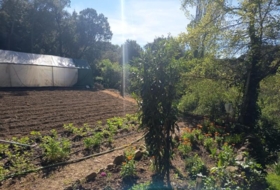
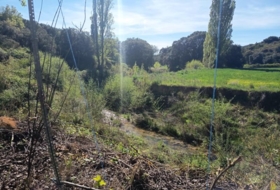
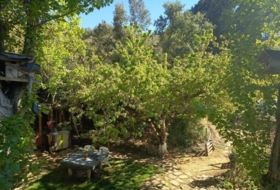
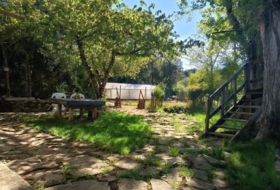
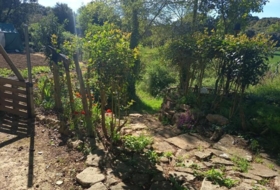
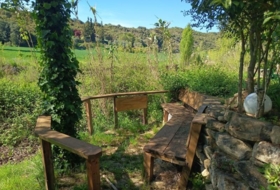


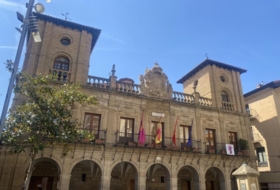
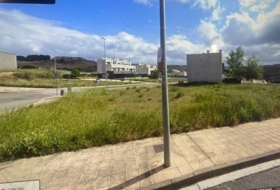
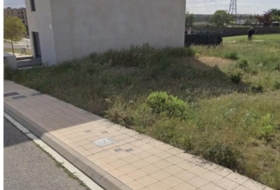
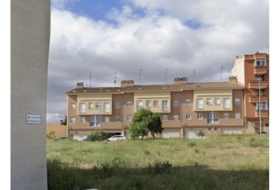
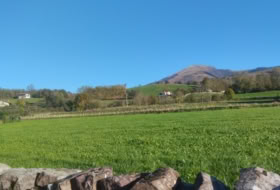
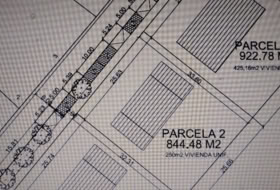
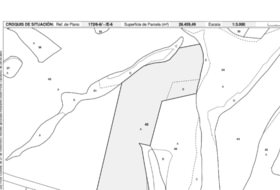


 +8
+8

Where to buy land in Navarra
The province of Navarra offers very similar urban, developable and non-developable land values, which, in turn, are among those that are closest to the national average. The balance between supply and demand unifies the average price of urban land for sale, with just over €110/m². Meanwhile, the rustic properties for sale have an average value that exceeds €12,000/hectare.
The cheapest plots for sale in Navarra are in: El Soto, with a minimum value of €0.70/m²; Corella, with €0.90/m²; Leiza, with €1.10/m²; Salinas de Ibargoiti, with €1.30/m²; and Echauri, with €1.70/m². On the other hand, the plots with a higher price are in Corella, Peralta and Arre.
It stands out for being a region in which the value of the land does not suffer great alterations, generating ideal and beneficial stability for all those people responsible, or who are interested, in the exploitation of their land.
A unique natural wealth
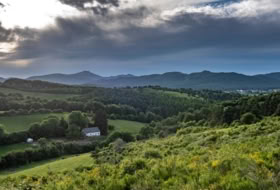
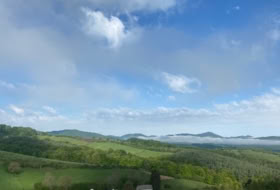
Navarra, located in the north of the peninsula, occupies more than 1,000,000 hectares. It is a territory with a unique natural wealth in Spain, thanks to measures that have made it a national benchmark in environmental conservation. Due to its location, the climate presents great contrasts, influenced by the Pyrenean Mountain area and the Mediterranean factor derived from the Ebro valley. Even so, it has abundant vegetation, with a large agricultural area.
The urban area covers more than 30,000 hectares, including consolidated and unconsolidated urban lots. The largest extension is concentrated in the capital of the autonomy, Pamplona, as well as in Cizur. For their part, building plots in Navarra have grown in recent years, occupying more than 5,000 hectares.
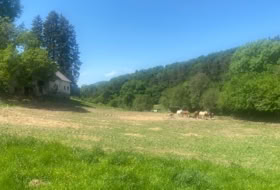
The total of rustic farms in Navarra adds up to more than 940,000 hectares. The planning includes rural land in this category, whereas a general rule it cannot be built. But yes, some exceptions allow the construction.
Nature of great variety
The agricultural surface has more than 500,000 hectares, where the cultivation of cereals, vegetables and vineyards predominates. The most outstanding crops are common wheat, barley, corn, alfalfa, tomatoes, and vines. In livestock, the important ones by production volume and occupied territory are poultry, bovine and ovine.
It presents a great variety of vegetation, derived from the contrast offered by its geography. For this reason, it is one of the autonomous communities with the largest relative forest territory in Europe. It occupies more than 60% of the total, most of its forests being autochthonous, which have grown in recent years. It should be noted that the region includes pastures, the formation of bushes and thickets on this type of soil.
Increase of industrial and residential land
The lots in Navarra for industrial use have grown in recent years, covering a large area today. The most outstanding sectors are the automotive, agri-food and renewable energies. For its part, the residential area has also increased over the years and is currently concentrated in the main cities, such as Pamplona, Cizur, Valle de Egües and Tudela.
Navarra, unique natural resources in a strategic location
The autonomous community of Navarra stands out for having become a territory of unique natural wealth in Spain. In addition, it is in a strategic place that unites different regions of the north of the peninsula and the south of France. The balanced value of urban, developable, and non-developable land offers unusual stability in the rest of the regions. To all this, we must add that it has modern and developed infrastructures.